
Introduction
Following is a brief introduction to the SMED theory, however, this is not a complete course but in combination with an AVIX training it’s a good reference. Remember that most functionality in AVIX is shared among the different modules, so refer to the AVIX Method Manual for the basics.
History
-
Origins at Toyota in late 1960/70
-
Shigeo Shingo observed the resetting of a stamping process, time spread between 12 h and 3 days!
-
Single Minute Exchange of Die – A resetting should take less than 10 minutes
It is a structured methodology to eliminate losses during the resetting, applicable on all types of machines and equipment. To mention just a few of the benefits:
- Operator preferred since easier to perform.
- Reduced inventory, freeing floor space.
- Elimination of setup errors and elimination of trial runs reduces defect rates.
- Simplified housekeeping from fewer tools and better organization
Standardized work
An important part of lean-thinking, whether it is related to assembly operations in a production line or it is about optimizing a machine changeover, it is all about defining and setting a standardized work method – Why?
-
Before we spend time on improvements, we need to understand “the big picture”, that is the whole process
-
There is often a gap between expected outcome of a process and actual outcome
Important implication: Without a standard, there is no feedback why we have problems
But remember, the best work method can in most cases best be identified by the one working in the process daily. So the standardized work is not created behind a desk, it is created in an open and free dialogue with the operators.
The theory of SMED is not only useful for analyzing changeovers, the methodology can be applied when analyzing maintenance operations of industrial equipment or heavy vehicles e.g. buses or trains. Why?
In all cases of operations where it is possible to apply a standardized work method, it is also the best way to ensure high quality work with optimal time consumption.
Think of it, the best example of a standardized work is off course the following:
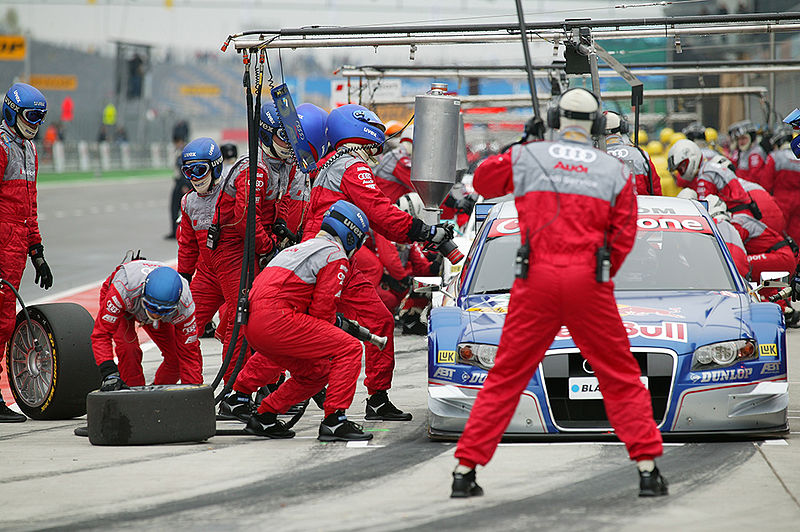
We can be sure that every person knows what to do, how to do it, with what tool and in what order – Without question or hesitation